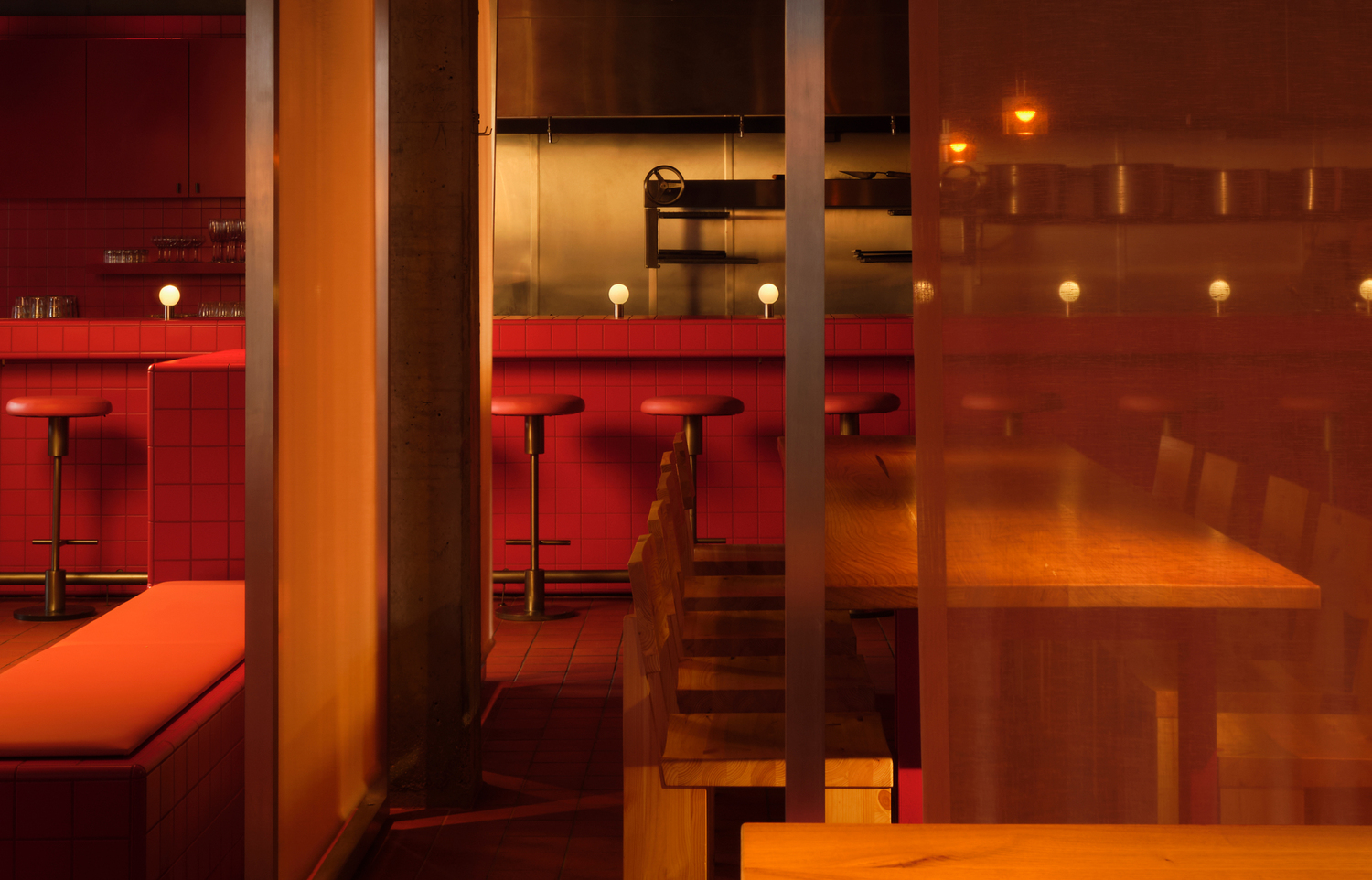
Case studies Kricket Canary Wharf
Product: I Colori DCORM 18
Sector: Hospitality
Beneath the rumble of the DLR railway, Kricket Canary Wharf marks CAKE Architecture’s first restaurant commission; a project shaped by the charged, imperfect character of its site. Drawing on the cinematic atmosphere and subtle tension of Edward Hopper's paintings, CAKE embraced the constant movement overhead, the imposing structure and the lingering sense of leftover space, transforming these constraints into defining features of the design.
"The scheme became about embracing contrast — setting moments of warmth, colour and intimacy against the raw, infrastructural character of the railway above." — CAKE Architecture
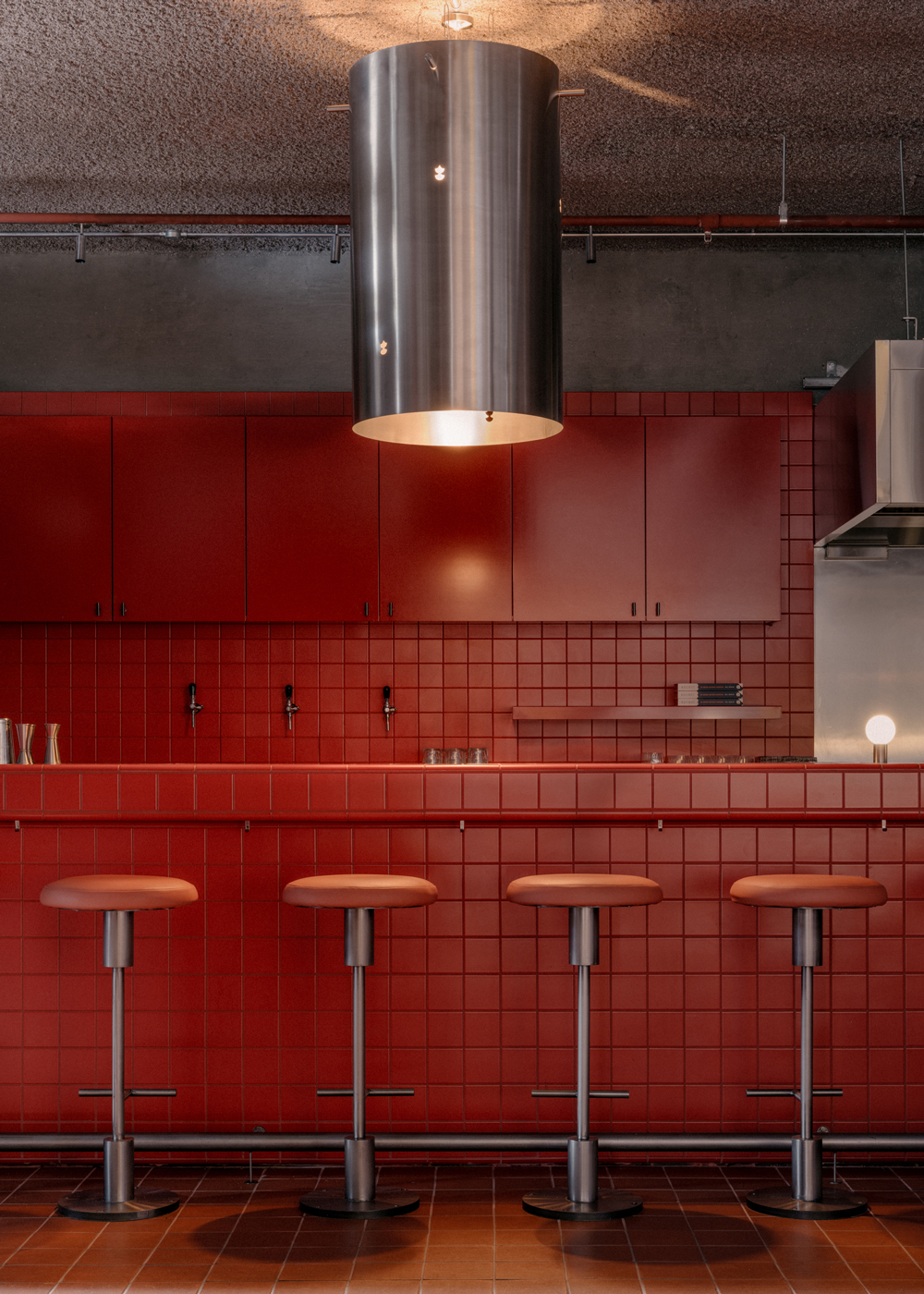
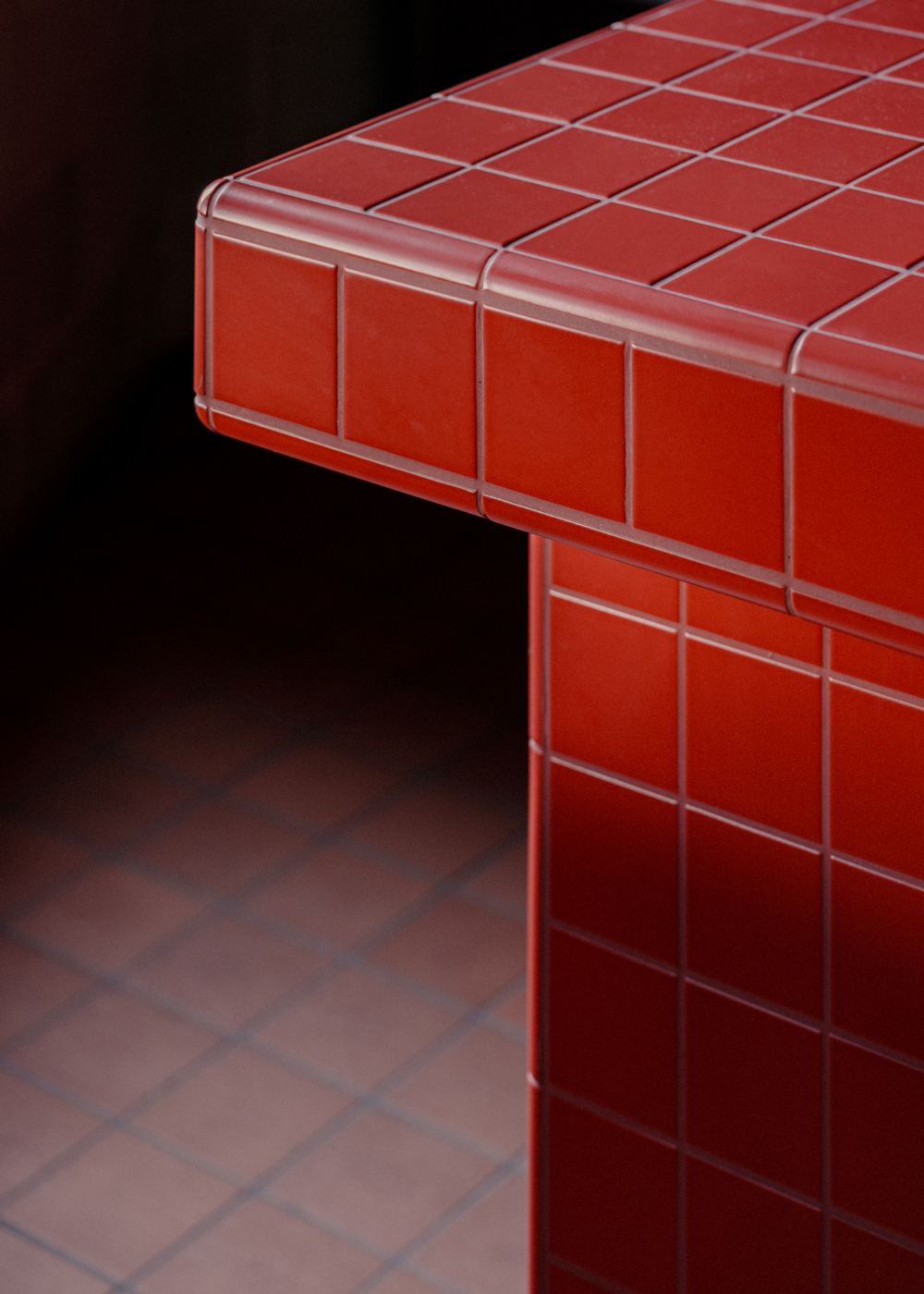
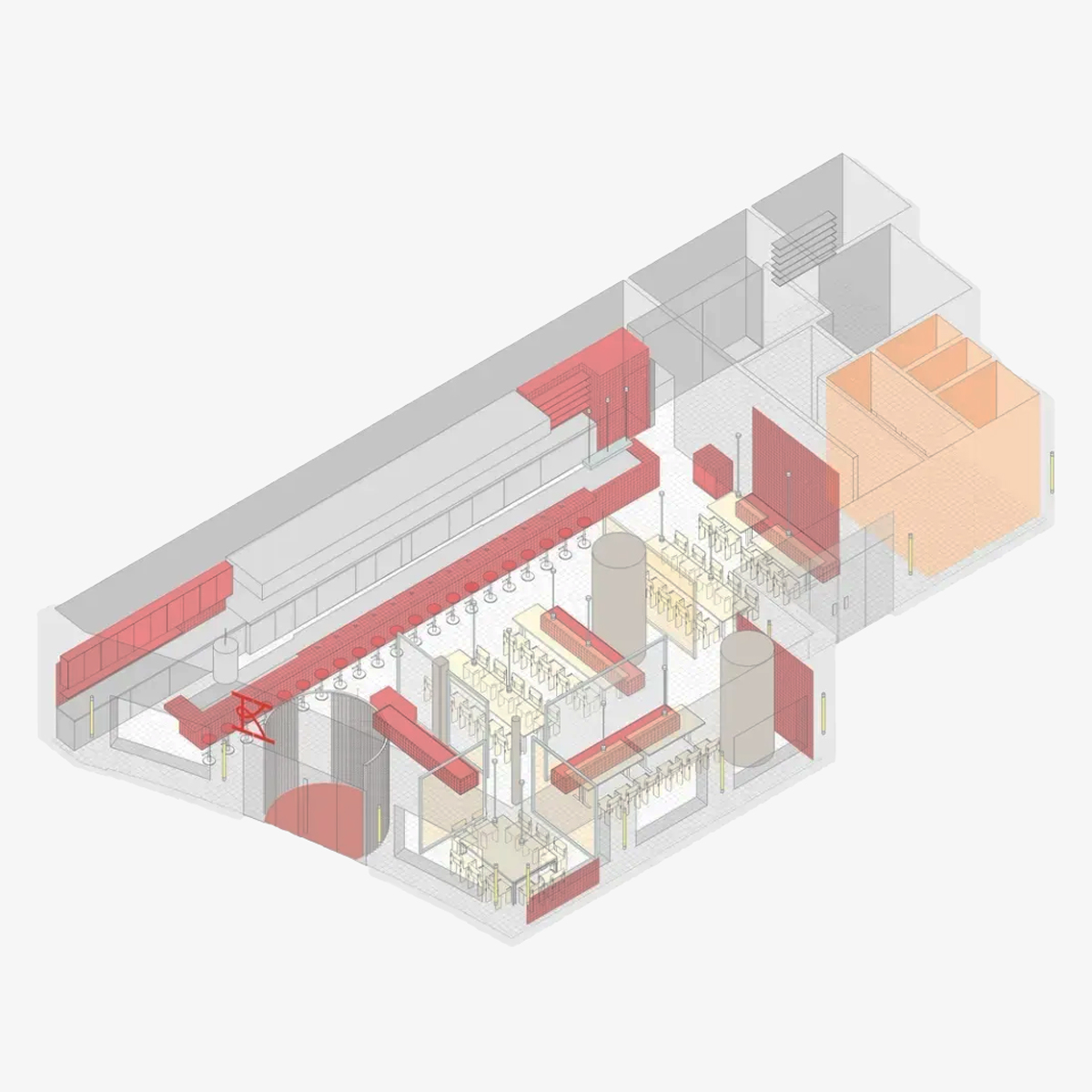
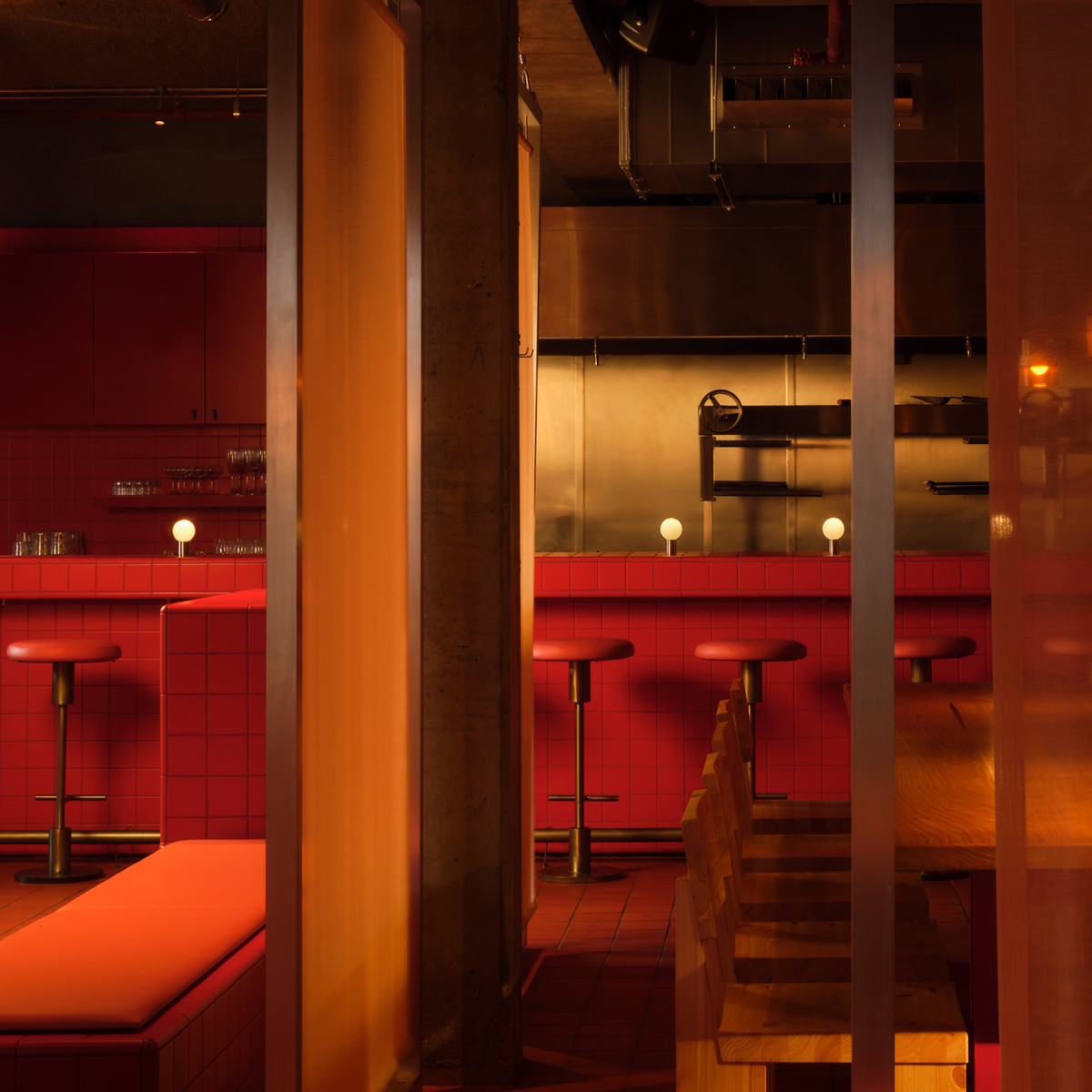
Central to the scheme is Domus' I Colori collection, selected to create moments of intensity within an otherwise restrained material palette. The project explores a series of contrasts, balancing warmth, colour and intimacy against the raw, infrastructural presence of the railway above. Functionally, the tiles meet the demands of a high-traffic restaurant environment. Atmospherically, they anchor key areas of the space, introducing depth, colour and materiality through their interaction with light and shadow.
"The tiles play a dual role – they are both functional and atmospheric." — CAKE Architecture
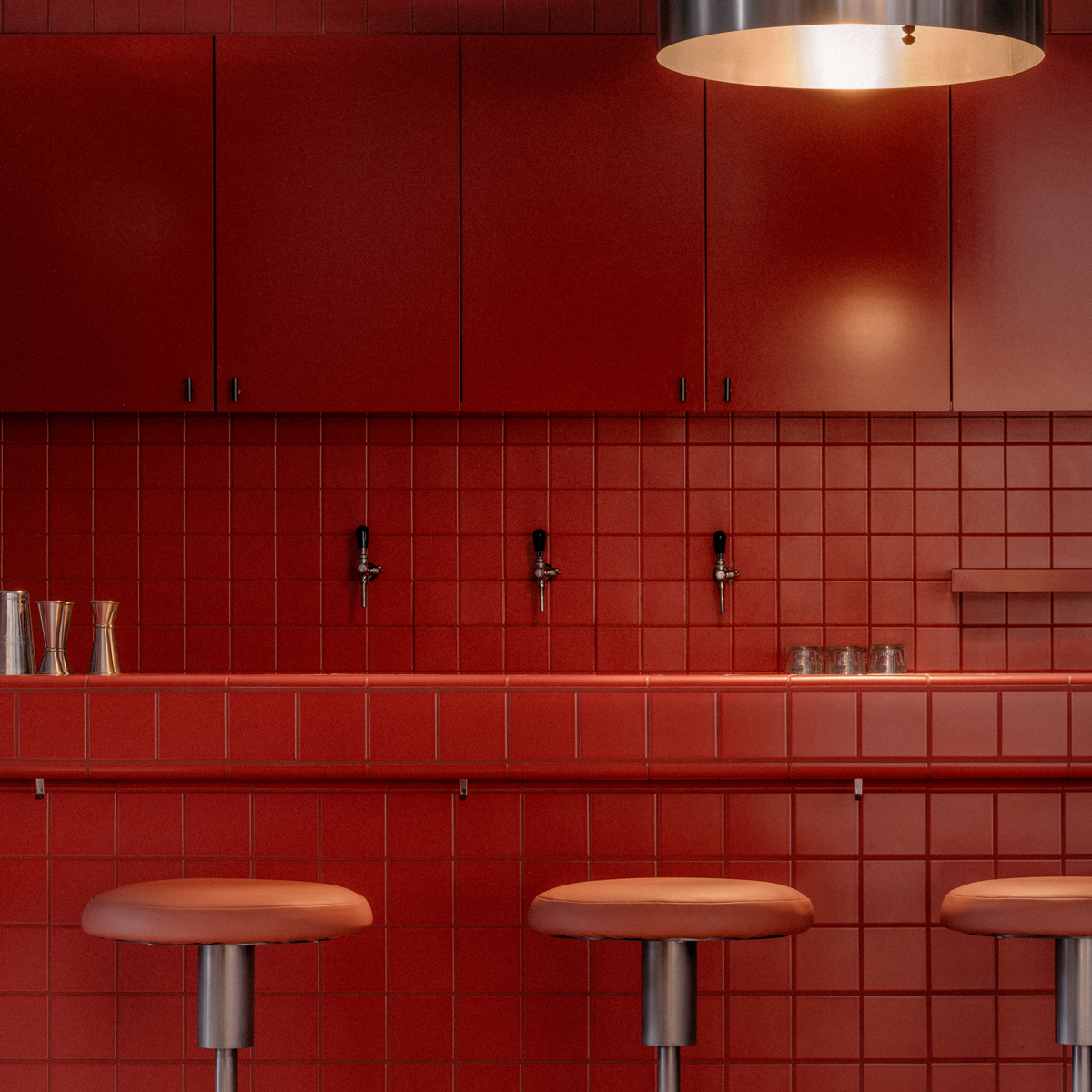

Product: I Colori DCORM 18
At the heart of the restaurant, a 15-metre-long counter spans the width of the space. Clad entirely in I Colori, it reads as a monolithic architectural element, punctuated by bespoke integrated table lamps that soften its scale and create a more intimate experience for diners. Here, the interplay of surface, shadow and illumination creates a layered depth that defines the character of the space, capturing the project's central balance between materiality, atmosphere and permanence.
Photography: Ollie Tomlinson; James Retief
For further information or technical advice please contact us